Winnipeg top Roofer for Residential and Commercial Roofing
Winnipeg top Roofer for Residential and Commercial Roofing
Blog Article
Quality Roofing Solutions From a Trusted Roofer
High-quality roofing services play a essential role in maintaining a home's structural soundness. A reliable roofer provides experience and attention to detail, ensuring a durable roof that withstands the elements. Homeowners often ignore the significance of selecting the right contractor. Understanding what to consider can create a substantial difference. What elements truly characterize a reliable roofer, and how can they impact the longevity of your roof? The answers may astonish you.
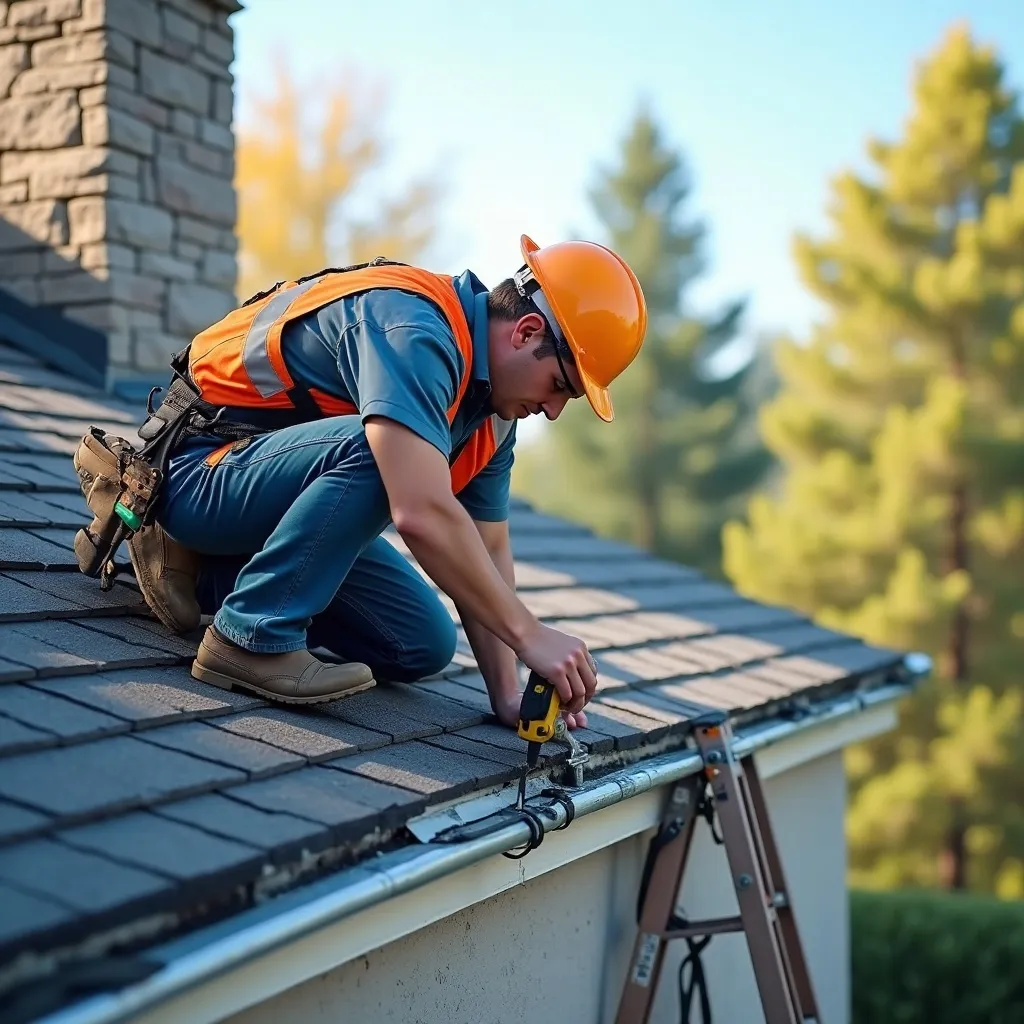
What to Identify in Superior Roofing Offerings
When looking for quality roofing options, homeowners should emphasize several key factors to confirm a robust and lasting installation. First, they should assess the contractor's experience and expertise in the roofing industry. A recognized company with a strong reputation is more likely to deliver high-quality workmanship. Next, it is essential to review customer testimonials and ratings to gauge overall satisfaction. Homeowners should also question the materials used, as high-quality materials contribute considerably to the longevity of a roof. Insurance and licensing are important; reputable contractors carry liability insurance and are adequately licensed to operate in the area. Finally, securing multiple quotes allows homeowners to compare pricing and services, making certain they obtain fair value. By emphasizing these factors, homeowners can make informed decisions when picking premium roofing options that meet their needs.
Why a Trusted Roofer Is Critical
A trusted roofing contractor plays an essential role in guaranteeing the longevity and effectiveness of a roofing system. With reliable craftsmanship warranties, property owners can have confidence knowing their property is safeguarded. Additionally, a commitment to quality materials significantly improves the longevity and functionality of the roofing system.
Trustworthy Workmanship Guarantee
Opting for a reputable roofer is crucial, as their reliability directly determines the quality of craftsmanship and the lifespan of a roof. A dependable workmanship warranty confirms homeowners that the job will be completed to the highest standards. This dedication reflects the roofer's confidence in their abilities and the techniques they employ. When a roofer offers such a warranty, it indicates a commitment to craftsmanship and accountability, minimizing the risk of issues ahead. Homeowners can feel at ease understanding that if problems occur, they can rely on the roofer to address them promptly. Ultimately, opting for a roofer who stands behind their work fosters assurance and guarantees a roof that will endure the test of time.
Quality Material Verification
Quality components assurance plays a important role in roofing projects, since expert guide the roof’s durability and functionality mostly depend on the materials used. Trusted roofers give priority to high-grade materials, assuring that clients receive goods that resist inclement weather and stand the test of time. These specialists have established ties with trusted suppliers, allowing them to obtain premium materials that satisfy industry standards. Furthermore, a trusted roofer recognizes the unique demands of various roofing systems, providing bespoke solutions that reinforce structural integrity. By choosing a roofer who values quality materials assurance, homeowners can avoid excessive future repair costs and guarantee lasting protection for their properties. Ultimately, this focus on quality generates trust and satisfaction among clients, enhancing the roofer’s reputation in the industry.
How do you spot whether a roofer is reliable?
How should property owners evaluate the dependability of a roofer? To gauge a roofer's credibility, property owners should begin by verifying for proper licensing and insurance. A dependable roofer will have the necessary licenses, which vary by state, ensuring compliance with local regulations. Insurance is equally vital, as it shields homeowners from conceivable liabilities during the roofing process.
Then, seeking references and reviewing online reviews can provide insight into the roofer's work background. A reputable contractor will readily share endorsements from pleased clients. Homeowners should also request details on warranties on both materials and labor, as these guarantees demonstrate the roofer's confidence in their work.
Finally, securing multiple estimates can support homeowners gauge expenses and work offered. A reputable roofer will furnish a detailed proposal, clearly laying out the work scope and associated costs, enabling sound decision-making.
Best Roof Options: Varieties of Materials and Their Strengths
Roofing materials play an important role in the overall performance and longevity of a home. Various types of roofing materials are available, each offering unique benefits tailored to specific needs. Asphalt shingles are widely used for their affordability and ease of installation, providing consistent protection against the elements. Metal roofing is recognized for its durability and energy efficiency, often outperforming traditional materials. Clay and concrete tiles grant a distinctive aesthetic and excellent thermal performance, making them suitable for warmer climates.
Wood wooden shingles and shakes, while demanding more maintenance, offer a natural look and good insulation. Additionally, synthetic materials, such as composite or rubber options, blend the aesthetic of classic styles with superior durability and lower maintenance requirements. Each choice offers different strengths, allowing homeowners to select based on financial considerations, climate, and desired aesthetics, ultimately lending to the property's structural integrity and monetary worth.
Why Correct Installation Methods Secure Roof Durability
Ensuring a roof is installed properly is vital for its longevity and performance. Proper installation techniques entail meticulous focus on detail, covering accurate dimensions, suitable material options, and the use of high-quality fasteners. Each constituent, from underlayment to shingles, must be correctly positioned and secured according to manufacturer specifications and industry standards.
When proper installation occurs correctly, it reduces the chance of water intrusion, storm damage, and other construction problems that could compromise the roof's integrity. Additionally, proper ventilation and insulation systems play an important role in preventing moisture buildup, which can lead to mildew and deterioration over time. Hiring skilled roofing professionals who emphasize proper techniques not only improves the roof's longevity but also provides peace of mind for homeowners. Ultimately, a well-installed roof functions as a strong protective barrier, guaranteeing long-term protection against the elements and safeguarding the underlying structure.
Spotting Standard Roofing Concerns and Solutions to Address Them
Common roof issues can greatly impact the structure of a home. Among the most frequently encountered issues are leaks, which can arise from broken shingles, improper flashing, or deteriorated sealants. Identifying these leaks early is essential, as they can lead to extensive water damage if left unaddressed. Another common issue is the presence of moss and algae, which can compromise the roof's materials and aesthetics. Regularly cleaning the surface can mitigate this problem.
Additionally, cracked or missing shingles signal damage, often requiring replacement to preserve weather resistance. Poor ventilation can also cause heat buildup, causing premature aging of roofing materials. Homeowners are encouraged to conduct regular inspections and seek advice from professional roofers for solutions tailored to specific issues. Prompt detection and repair of these common problems can considerably extend a roof's lifespan and safeguard the home's overall structure.
How to Maintain Your Roof for Long-Term Durability
Preserving a roof demands routine evaluations to detect problems before they become severe. Quick fixes are important in increasing the longevity of roof systems and reducing expensive harm. By stressing these approaches, homeowners can ensure their roofs remain in excellent condition for years ahead.
Routine Assessments Count
Regular examinations are crucial in increasing the life of a roof. By spotting potential problems early, homeowners can prevent minor problems from developing into significant damage. A detailed inspection usually covers checking for missing shingles, assessing flashing durability, and looking over gutters for debris accumulation. These inspections permit timely interventions, ensuring the roof remains sealed and structurally sound. Additionally, seasonal inspections aid in adjusting maintenance strategies according to variable weather conditions, potentially affecting roof performance. Creating a regular inspection routine, ideally twice annually, enables homeowners to remain prepared about roof upkeep. This careful attention not only improves the roof's durability but also adds to the overall value of the property, making it a smart investment.
Rapid Repairs Imperative
Addressing roof issues promptly is crucial for guaranteeing longevity and performance. Delaying repairs can lead to more extensive damage, escalating repair costs, and potentially compromising the structural integrity of a home. Small leaks, for example, can quickly develop into significant problems if not treated swiftly. Homeowners should regularly inspect their roofs for signs of wear, such as missing shingles, water stains, or granule loss. Engaging a professional roofer for timely assessments and repairs can prevent minor issues from evolving into major headaches. Additionally, maintaining an open line of communication with a trusted roofing service guarantees that any concerns are addressed before they escalate. Proactive maintenance ultimately preserves the roof's lifespan and protects the overall investment in the home.
Frequently Asked Questions
How Much Time Is Needed for a Typical Roofing Project to Finish?
A typical roofing project typically takes one to two weeks to complete, based on various factors such as the roof size, material type, climatic factors, and any unforeseen complications that may occur during the project.
Which Warranties Are Available for Roofing Services?
Roofing service warranties typically include labor warranties spanning one to ten years and material warranties extending to 50 years. The specifics often are affected by the roofing materials used and the contractor's policies.
Is a License required for Roofing Jobs?
Yes, a permit is often necessary for roof repairs, depending on local codes and the scope of the job. Homeowners should check with their municipal offices to guarantee adherence with necessary building codes and licenses.
What Steps Should I Take to Ready My Home for Roofing Installation?
Preparing a home set up for roofing installation, you should clean up the space surrounding your house, relocate outdoor furniture, secure pets indoors, and guarantee easy access to the roof for workers and materials.
What Steps Ought I Follow if My Roof Leaks After Installation Work?
When a roof leaks after being installed, the homeowner should immediately get ahold of the roofing contractor for assessment. Document the issue with photos, and ensure all communication is transparent to facilitate timely repairs and prevent further damage.
Report this page